Misted Window Replacement: Understanding the Process and Benefits
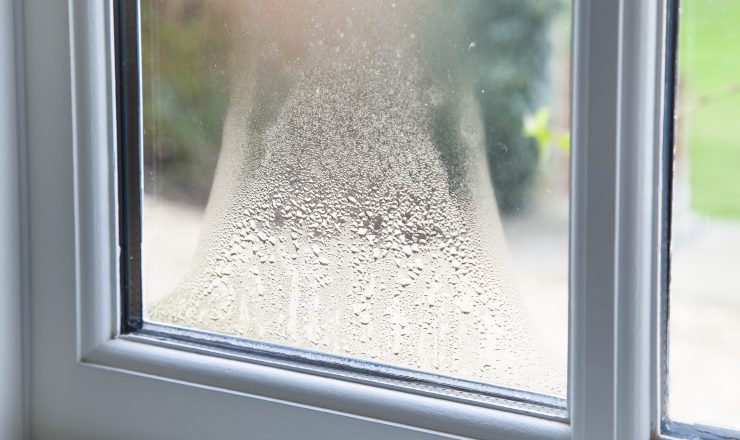
Misted windows are not just unsightly however also indicative of underlying problems with double or triple-glazed windows. When Expert Double Glazing Repair permeates in between the panes of glass, it creates a constant foggy appearance that decreases exposure and reduces the energy effectiveness of the home. This article explores the factors behind misted windows, the replacement process, and the advantages of addressing this issue immediately.
What Causes Misted Windows?
Misted windows take place mainly due to seal failure. The seals that hold the panes of double or triple-glazed windows in place are created to be airtight. However, over time, these seals can break down due to several aspects:
- Weather Conditions: Extreme temperature levels and humidity levels can weaken the seals.
- Poor Installation: Inadequately installed windows are more prone to seal failure.
- Aging: Over time, products break down, resulting in wear and tear of the seals.
- Quality of Materials: Low-quality glass or seals are more most likely to stop working.
Comprehending these causes can help house owners take preventive procedures and recognize when it's time for replacement.
Indications of Misted Windows
Property owners ought to be vigilant for the following indications inside their homes:
- Visible Moisture: Fogging or condensation between glass panes.
- Increased Energy Bills: Higher heating and cooling costs can suggest a loss of energy effectiveness.
- Staining: Staining or discoloration on the glass.
The Replacement Process
Changing misted windows needs cautious consideration and skilled labor. Here is a step-by-step guide to the replacement process:
1. Evaluation
A professional specialist should first assess the degree of the damage. They will identify whether the whole window unit needs replacement or if the sealed unit can be changed.
2. Selection of Materials
Picking top quality products is vital. House owners need to think about:
- Energy Efficiency Ratings: Look for windows that have low U-values and high R-values.
- Frame Material: Options consist of wood, vinyl, aluminum, or fiberglass.
- Glazing Options: Consider double or triple glazing for enhanced insulation.
3. Removal of Existing Windows
Experts will thoroughly remove the existing window. This procedure includes:
- Detaching hardware and fittings.
- Removing the window frame with care to avoid damage to surrounding structures.
4. Setup of New Units
As soon as the old windows are gotten rid of, brand-new ones can be installed. This includes:
- Setting the new window into the frame.
- Making sure proper positioning and leveling.
- Securing the window with screws and insulation products to avoid air leakages.
5. Final Finishes
After installation, experts will:
- Reinstall hardware.
- Apply caulking around the edges to ensure a leak-proof seal.
- Perform quality checks to make sure the window operates efficiently.
| Action | Description |
|---|---|
| Evaluation | Assess the condition of existing windows and determine necessary repairs. |
| Product Selection | Select energy-efficient materials for the brand-new windows. |
| Removal | Carefully get rid of the existing, misted window units. |
| Setup | Install the new window system safely and make sure appropriate fit. |
| Ending up | Apply caulking, reattach hardware, and conduct final quality checks. |
Advantages of Misted Window Replacement
Changing misted windows can offer a series of advantages:
- Enhanced Aesthetics: Clear windows improve the general appearance of a home, increasing its curb appeal.
- Increased Energy Efficiency: Modern windows offer better insulation, which can result in lower energy costs.
- Enhanced Comfort: Properly working windows assist preserve constant indoor temperature levels, enhancing comfort levels.
- Noise Reduction: High-quality glazing can considerably minimize outside sound, developing a quieter home environment.
- Increased Home Value: New windows can increase the property's market price, making it a smart financial investment for property owners.
Frequently Asked Questions (FAQs)
1. How much does it cost to change misted windows?
The cost of window replacement can vary based on factors such as window size, style, materials, and labor costs. Usually, property owners can expect to pay between ₤ 300 and ₤ 1,000 per window.
2. Can I replace just the glass in a misted window?
Sometimes, property owners can change only the glass unit rather of the entire window frame. However, this depends on the condition of the window frame and the quality of the seal.
3. How can I avoid my windows from misting again?
To avoid misting in the future, think about purchasing top quality windows, performing routine upkeep checks, and ensuring correct setup.
4. Is changing misted windows a DIY project?
While some knowledgeable homeowners may try to change misted windows themselves, hiring a professional is recommended for the very best results. Proper installation is vital for ideal window performance.
5. For how long does the replacement process take?
The replacement procedure generally takes a few hours per window, depending upon the complexity of the installation and the number of windows being replaced.
Misted windows might appear like a minor inconvenience, but they can result in significant problems if left unaddressed. From aesthetic concerns to increased energy costs, the value of timely replacement can not be overstated. By understanding the causes and benefits of misted window replacement, homeowners can take proactive steps to guarantee their homes remain comfy, energy-efficient, and aesthetically appealing. Purchasing quality materials and proficient experts will make sure that the brand-new windows last for many years to come.